Understanding Single-Origin Coffee
Definition and Characteristics of Single-Origin Beans
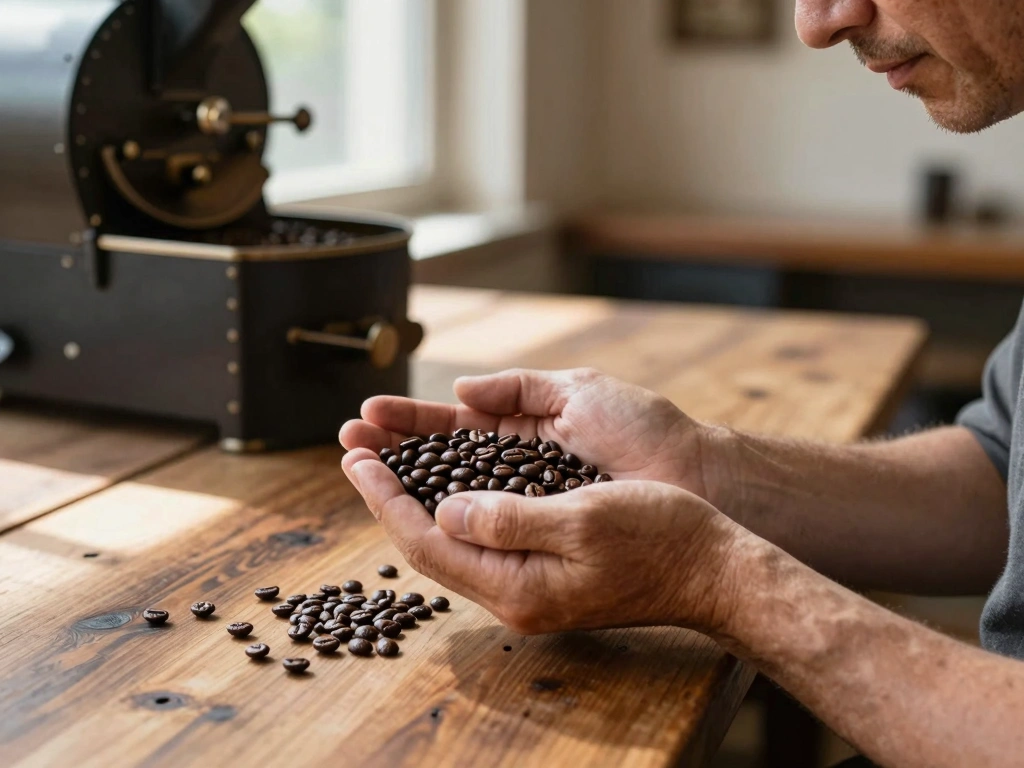
Single-origin coffee refers to coffee that is sourced from a specific location, typically a single farm, region, or country. This designation allows coffee drinkers to experience the unique flavors and characteristics that are inherent to the beans grown in a particular area. The defining qualities of single-origin beans include:
- Flavor Profile: These beans often reflect the specific terroir, which includes factors like soil composition, altitude, and climate. For example, Ethiopian Yirgacheffe beans are known for their fruity and floral notes, while Colombian beans often present a balanced profile with a hint of caramel.
- Traceability: Single-origin coffees allow for a direct connection between the consumer and the producer, providing transparency in sourcing.
- Freshness: Since single-origin beans are typically produced in smaller quantities, they can often be roasted more frequently, ensuring a fresher product for the consumer.
Importance in Specialty Coffee Culture
Single-origin coffee is a cornerstone of specialty coffee culture, which emphasizes quality, sustainability, and ethical sourcing. In this context, the importance of single-origin beans can be summarized as follows:
- Quality over Quantity: Specialty coffee roasters prioritize high-quality beans, often at the expense of large-scale production. This commitment to quality results in richer, more diverse flavor experiences.
- Consumer Education: Single-origin coffees provide an opportunity for education about coffee production, flavor nuances, and the impact of geography on taste.
- Support for Local Economies: By sourcing directly from farmers, specialty coffee roasters help to uplift local economies and promote sustainable practices.
Regional Differences in Flavor Profiles
The flavor profiles of single-origin coffees vary significantly depending on their region of origin. For instance:
- Latin America: Beans from countries like Colombia and Brazil tend to have a nutty, chocolatey flavor with a medium body.
- Africa: Coffees from Ethiopia and Kenya often possess bright acidity and fruity notes, with a wide range of berry and citrus flavors.
- Asia: Indonesian coffees, such as those from Sumatra, are known for their earthy tones and full body, often accompanied by low acidity.
Understanding these regional differences helps roasters select beans that align with their desired flavor profiles and the preferences of their customers.
Establishing Relationships with Coffee Farmers
Direct Trade vs. Traditional Importing
One of the most significant changes in the coffee sourcing landscape has been the shift from traditional importing methods to direct trade relationships. Direct trade involves roasters establishing direct connections with coffee farmers, which can have several advantages:
- Fair Pricing: Direct trade often allows for better pricing for farmers, as it removes middlemen who typically take a significant cut of the profits.
- Quality Control: Roasters can oversee the sourcing process more closely, ensuring they receive high-quality beans.
- Relationship Building: Establishing direct relationships fosters trust and collaboration, allowing roasters to gain insights into the farming practices and conditions that influence quality.
In contrast, traditional importing often relies on commodity markets, where pricing can fluctuate dramatically, leading to uncertainty for farmers and roasters alike.
Building Trust and Transparency
Trust and transparency are critical components in the relationship between specialty coffee roasters and farmers. Roasters often visit the coffee farms to establish personal connections and to understand the challenges faced by farmers. For example, companies like Intelligentsia Coffee emphasize direct relationships, conducting regular visits to their partner farms in Central and South America. This approach not only enhances transparency but also ensures that the farmers are adhering to ethical and sustainable practices.
Supporting Sustainable Farming Practices
Specialty coffee roasters are increasingly committed to sustainability. This includes sourcing beans from farms that employ environmentally friendly practices, such as organic farming, shade-grown coffee, and water conservation methods. For instance, Counter Culture Coffee works with farmers who use sustainable methods, ensuring that their sourcing not only produces high-quality coffee but also contributes positively to the ecosystem.
Evaluating Quality in Sourcing
Criteria for Selecting Green Coffee Beans
When sourcing single-origin beans, specialty coffee roasters employ various criteria to ensure quality. Key factors include:
- Defect Count: Roasters assess the number of defective beans, such as those that are underdeveloped, overripe, or damaged.
- Moisture Content: Ideal moisture content for green coffee beans is typically between 10% and 12%. Higher moisture levels can lead to spoilage and mold.
- Size and Shape: Uniformity in size and shape can impact roasting consistency and flavor extraction.
Role of Cupping in Quality Assessment
Cupping is a critical practice in the specialty coffee industry used to evaluate the flavor and aroma of coffee beans. During a cupping session, roasters follow a standardized process that includes:
- Grinding the beans to a consistent size.
- Brewing with hot water and allowing the coffee to steep.
- Smelling the coffee before tasting to assess its aromatic qualities.
- Tasting the coffee to evaluate flavor, acidity, body, and aftertaste.
This process allows roasters to compare different beans and make informed decisions about which beans to purchase for their roasts.
Understanding Coffee Grading Systems
The quality of coffee beans is often assessed using grading systems, which provide a framework for evaluating their suitability for specialty coffee. For instance, the Specialty Coffee Association (SCA) uses a grading scale based on a 100-point system, where coffees scoring 80 or above are considered specialty. Factors considered in this grading include:
- Flavor: Complexity and richness of taste.
- Acidity: Brightness and liveliness of the coffee.
- Body: The weight and texture of the coffee in the mouth.
Understanding these grading systems helps roasters select the highest quality beans for their offerings.
Logistics of Sourcing Single-Origin Beans
Supply Chain Challenges in Coffee Sourcing
One of the major challenges faced by specialty coffee roasters is managing the supply chain effectively. Factors such as fluctuating prices, climate change, and political instability in coffee-producing countries can impact the availability and price of beans. For example, the 2021 coffee crisis, driven by adverse weather conditions in Brazil, highlighted the vulnerabilities in the coffee supply chain and the importance of maintaining strong relationships with farmers.
Transporting Coffee from Origin to Roaster
Once beans are harvested and processed, they must be transported to roasters, which can involve complex logistics. Specialty coffee roasters often prefer air freight for smaller batches of high-quality beans, as it minimizes time from harvest to roast, preserving freshness. For instance, Blue Bottle Coffee utilizes air freight for their single-origin beans to ensure that the flavors remain vibrant and true to their origin.
Storage and Preservation of Green Beans
Proper storage is crucial for maintaining the quality of green coffee beans. Specialty roasters often invest in climate-controlled facilities to store beans at optimal temperatures and humidity levels. Additionally, they utilize moisture-proof containers to protect the beans from environmental factors that can lead to degradation. For example, Stumptown Coffee Roasters ensures that their green beans are stored in conditions that minimize exposure to light and air, preserving their flavor integrity until they are ready to be roasted.
Impact of Sourcing on Roasting Profiles
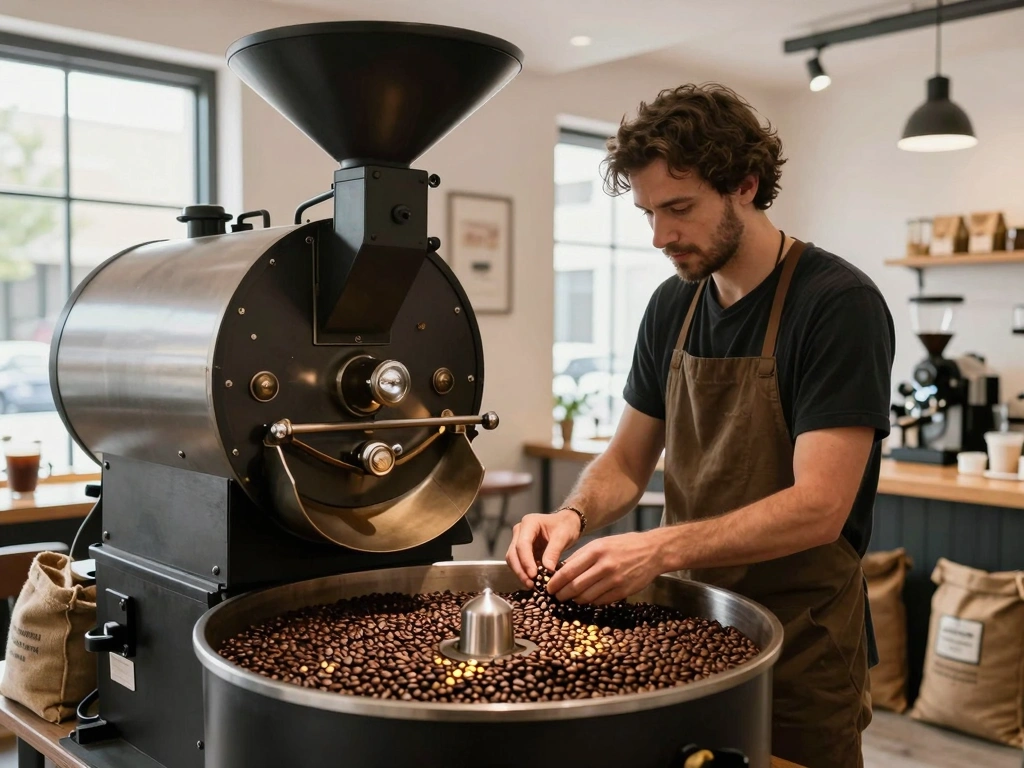
How Bean Origin Influences Roasting Techniques
The origin of coffee beans significantly influences roasting techniques. Roasters must consider the unique characteristics of each origin to bring out the best flavors. For example:
- Ethiopian Beans: Often roasted lighter to highlight their floral and fruity notes.
- Indonesian Beans: Typically roasted darker to enhance their rich, earthy qualities.
Roasters like Onyx Coffee Lab tailor their roasting profiles based on the specific characteristics of the beans sourced, ensuring that each batch brings out the intended flavor profile.
Creating Unique Flavor Profiles Through Roasting
Specialty coffee roasters take pride in crafting unique flavor profiles through their roasting processes. By experimenting with different roast levels, times, and techniques, roasters can create distinctive flavors that reflect the origins of their beans. For instance, Heart Coffee Roasters often employs a technique called “profiling,” where they adjust the temperature and time at various stages of the roast to highlight specific flavor notes unique to each bean.
Feedback Loop: Roaster and Farmer Collaboration
The relationship between roasters and farmers forms a feedback loop that enhances the quality of both sourcing and roasting. Roasters provide farmers with insights into consumer preferences, which can inform farming practices and bean selection. Conversely, farmers can share information about crop conditions and harvesting techniques that may affect flavor. This collaboration has been exemplified by Verve Coffee Roasters, which maintains an open dialogue with their partner farms to continuously improve quality and sustainability.